
Everything Your
Fleet Needs
Built For Every Fleet
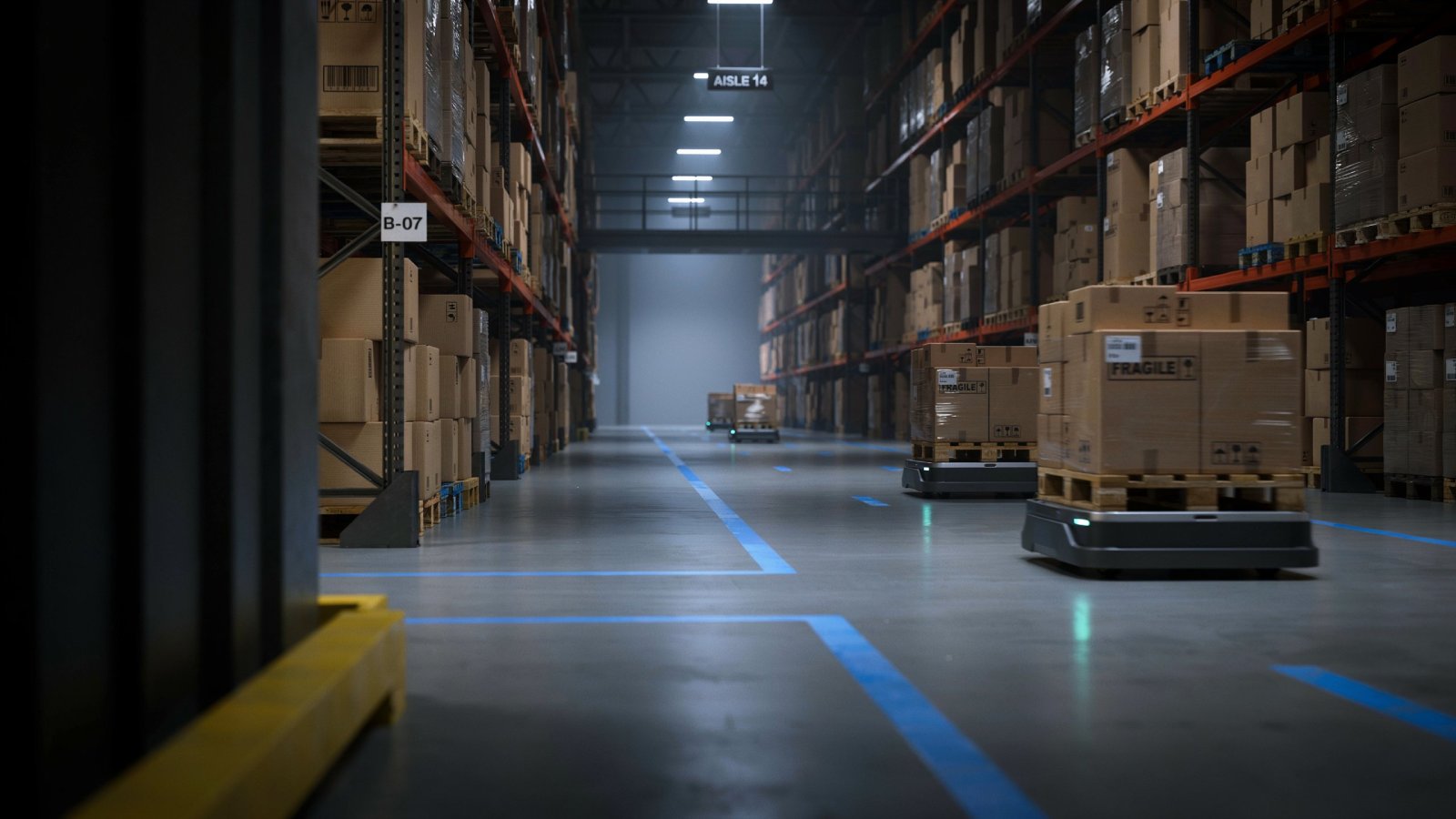
Warehousing & Logistics
AMRs, AGVs and robotic forklifts moving goods and counting inventory across aisles and staging lanes.

Hospitality
Delivery and cleaning robots covering in-room delivery and common-area cleaning across hotel chains.
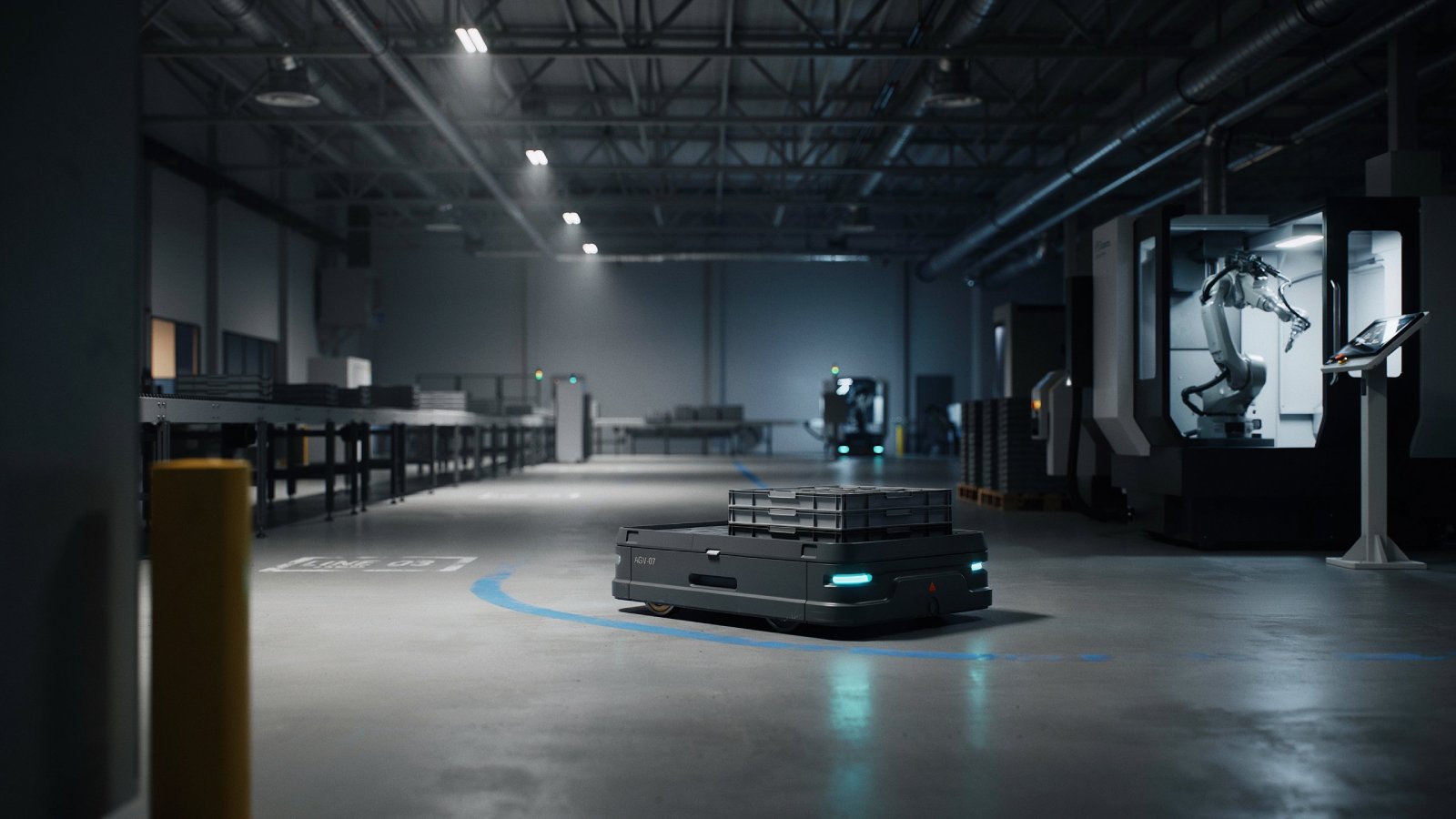
Manufacturing
Robotic carts and inspection units running intra-facility logistics and quality control on the plant floor.
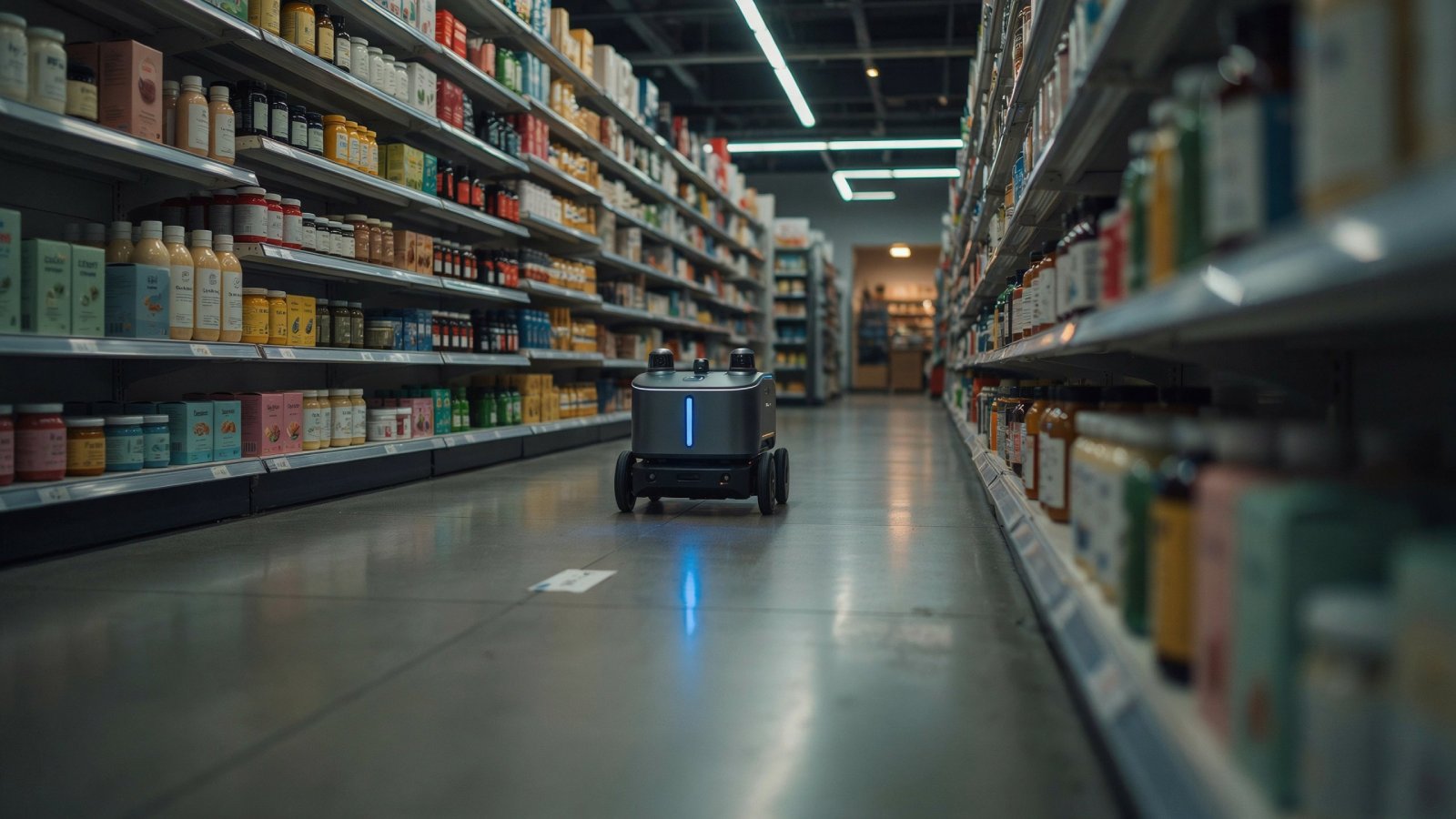
Retail
Inventory-scanning and cleaning robots keeping shelves stocked and sales floors audited and clear.
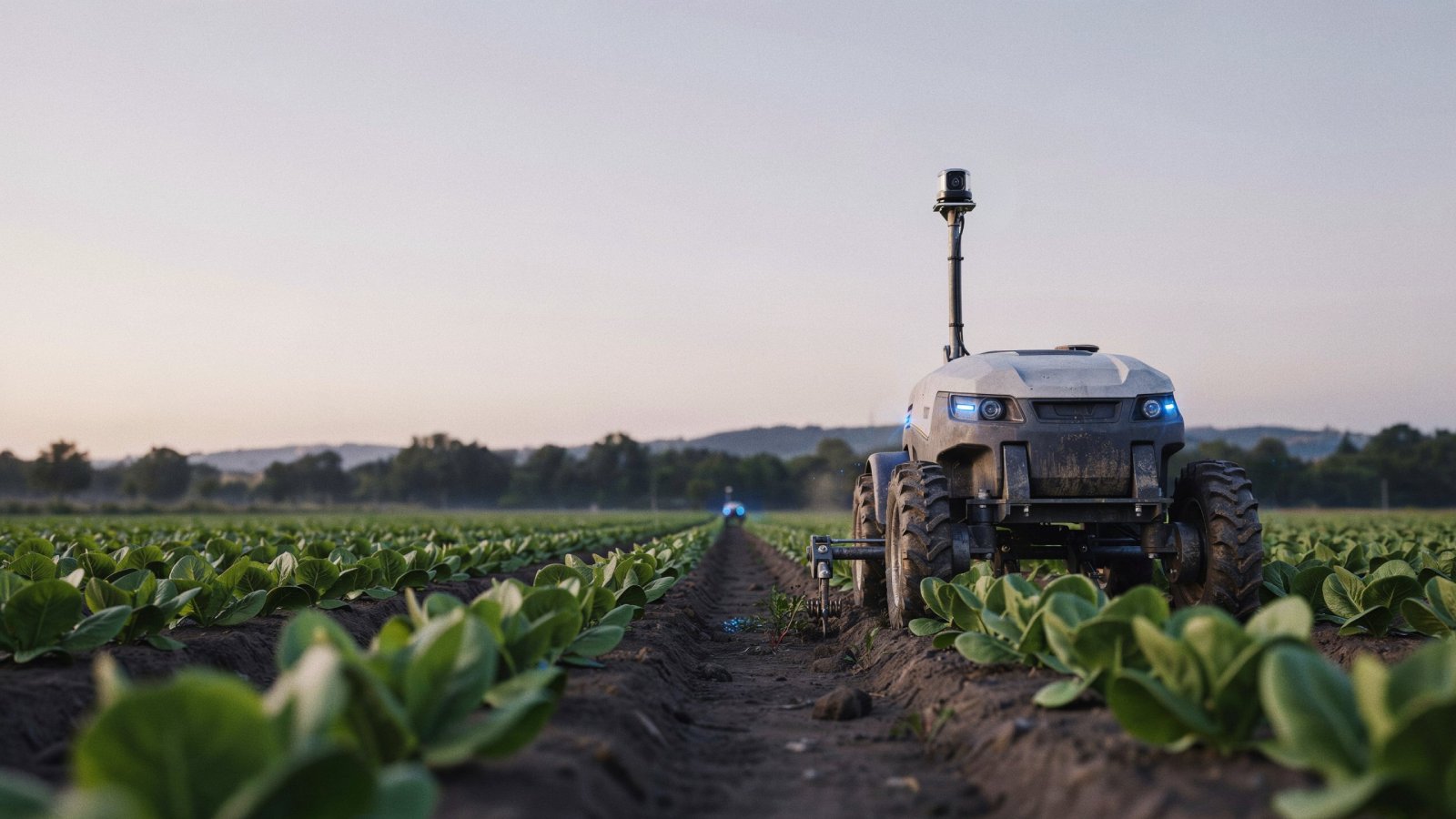
Agriculture
Weeding and harvesting robots automating field operations across growing seasons.
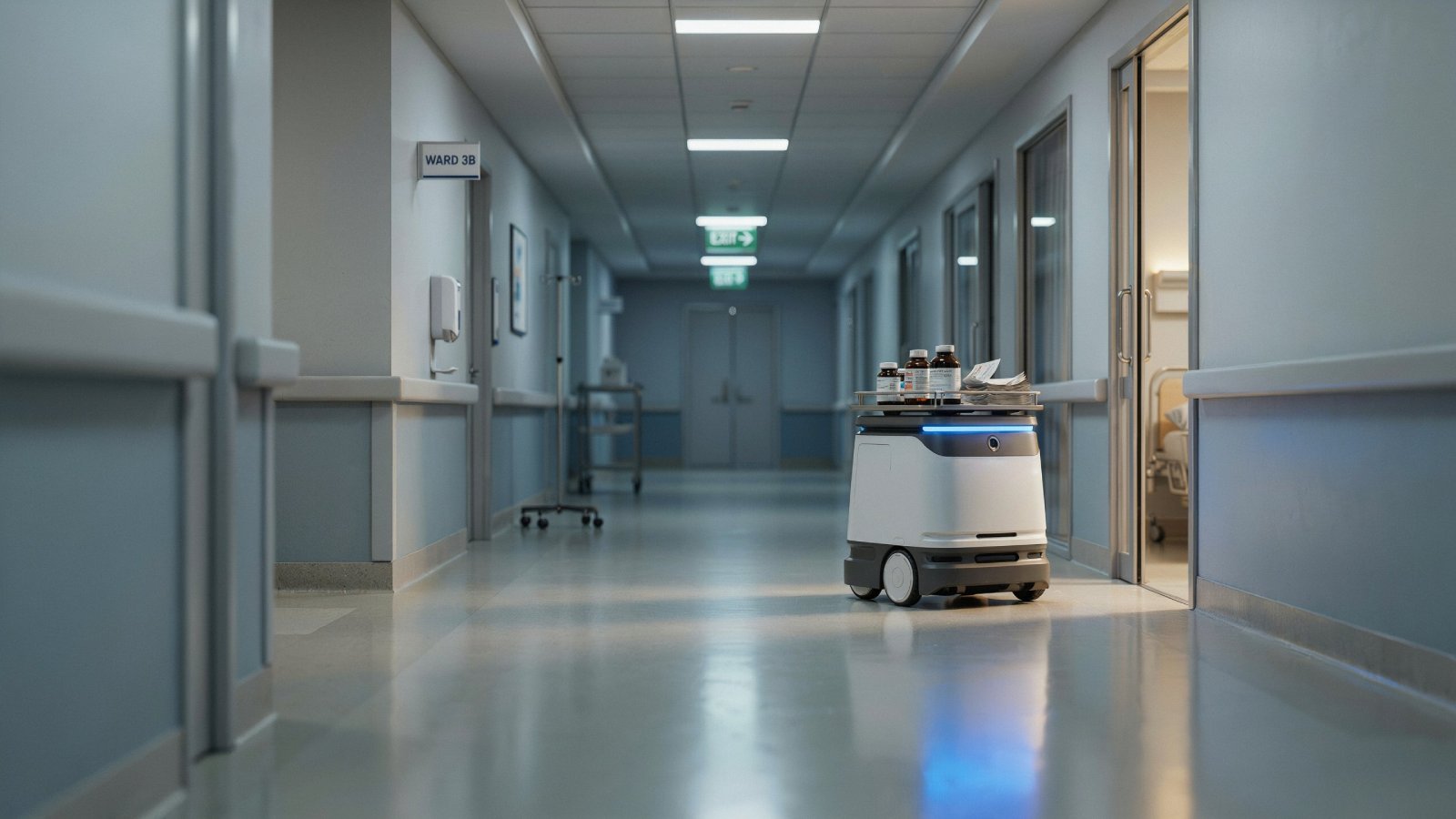
Healthcare
Courier robots moving medication and lab samples through hospital corridors.
Don’t See Your Industry?
RoboStack is built as general-purpose fleet infrastructure - it can be integrated into any business running a fleet of robots. Get in touch with our team to scope your fit.
GET IN TOUCH
See Every Robot,
Live
A hand-authored floor plan of your site, not a generic grid - every robot shown as a live-moving dot colored by status. Click through to full diagnostics for any unit, on any site.

Catch Problems
Before They Escalate
Camera zone monitoring flags people in safety-critical areas in real time. One button - fleet-wide Emergency Stop - freezes every active, idle and charging robot instantly, fully audit-logged.

Know What Breaks,
Before It Breaks
A composite risk score per robot from status, motor temperature, uptime, firmware and open alerts - ranked, so your team schedules preventive maintenance before a robot goes down.
Pricing That Scales
With Your Fleet
- Robot Adapter Layer for your fleet's robot model
- Fleet Dashboard setup & telemetry ingestion
- Rule-based task orchestration
- On-site setup & staff training
- Live fleet visibility & task orchestration
- Charging coordination
- Safety, E-Stop & automations
- Predictive maintenance & standard support
- Everything in Per-Robot SaaS
- Digital twin / simulation module
- Multi-site & multi-tenant architecture
- Dedicated SLA & premium support

Every Robot,
Fully Diagnosable

Parts & Supply,
Handled

Rules That Run
Themselves
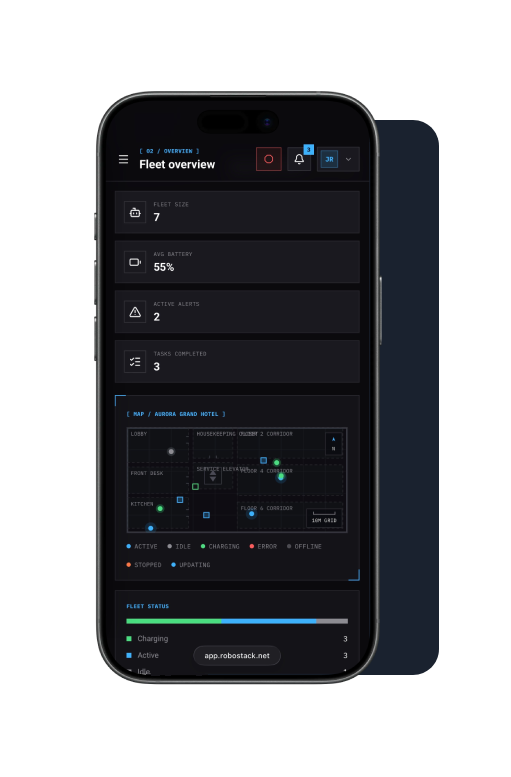
Built For
Every Screen
RoboStack is a responsive web dashboard, not a separate app to install and maintain - it runs the same on a control-room desktop, a supervisor's tablet on the floor, or a technician's phone mid-repair.
No native app, no App Store update to wait on. Sign in from any device and the fleet map, alerts and work orders are already there, live.
Built On A Modern Stack
Frequently Asked Questions
What is RoboStack and what problem does it solve?
RoboStack is a unified infrastructure platform for managing mixed robot fleets from one operational dashboard. Instead of forcing teams to switch between separate applications from different robot manufacturers, RoboStack brings fleet visibility, task orchestration, charging coordination, maintenance, safety, alerts, automation, integrations, reporting, and administration into one environment.
The platform is designed for organizations operating service, logistics, cleaning, inspection, inventory, and other autonomous robots. Its core purpose is to reduce fragmentation and give teams a single operational layer for understanding what every robot is doing, responding to issues faster, and coordinating the fleet as one system rather than as a collection of disconnected machines.
Can RoboStack manage robots from different manufacturers?
Yes, multi-vendor fleet management is central to the RoboStack concept. The current demo represents more than six robot manufacturers within one fleet and shows 32 robots operating across four different sites.
The broader platform architecture is built around a Robot Adapter Layer designed to translate different manufacturer protocols and data models into one unified internal fleet model. This means RoboStack is intended to sit above individual robot brands rather than lock an organization into a single vendor ecosystem. In the long-term architecture, new robot models can be added through adapters instead of requiring an entirely separate management product or complete platform rewrite, creating a scalable foundation for heterogeneous robot fleets.
What can users actually do in the current RoboStack demo?
The current RoboStack demo already presents a broad range of interactive fleet-management workflows. Users can view live-moving robots on detailed site maps, inspect robot telemetry, manage task queues, assign the nearest eligible robot, monitor charging stations, trigger a fleet-wide Emergency Stop, configure automation rules, and acknowledge and resolve alerts.
They can also restart robots, initiate firmware updates, return robots to dock, create and manage maintenance work orders, review fleet-health rankings, manage parts inventory, track restock shipments, access suppliers, administer users, configure webhooks and API keys, review billing, export audit logs, and analyze uptime and site-level reports. The demo is designed to show how these workflows connect across Fleet Operator, Technical Specialist, and Client Administrator roles.
How does RoboStack help reduce downtime and improve maintenance?
RoboStack brings operational monitoring and maintenance workflows into the same platform, helping teams identify potential problems earlier and move more quickly from an alert to a maintenance action. The demo includes robot-level telemetry, firmware status, diagnostic information, work-order management, parts tracking, maintenance history, and a Fleet Health ranking.
That ranking uses a rule-based composite score based on factors such as robot status, motor temperature, uptime, firmware condition, and open alerts, helping technical teams prioritize which robots require attention first. Operators can also create maintenance requests that are handed directly to Technical Specialists. The long-term product roadmap extends this concept toward more advanced predictive-maintenance capabilities based on deeper telemetry and machine-learning models.
How does RoboStack integrate with existing business systems?
RoboStack is designed to make robots part of an organization's existing operational processes rather than leaving them isolated in manufacturer-specific applications. The current demo includes webhook management for task ingestion, with endpoint configuration, signing secrets, test events, and delivery logs showing successful and failed events. It also includes API-key management with read and read/write scopes, expiration controls, masked-secret handling, regeneration, and revocation.
The broader platform vision expands this integration layer toward systems such as WMS, ERP, and hotel PMS platforms so tasks and operational events can flow between business software and robot fleets. This integration capability is important because it allows robotics to become embedded in normal enterprise workflows instead of functioning as a separate operational island.
Is RoboStack already a production-ready robotics backend?
The current RoboStack application should be understood as a detailed interactive product demonstration rather than a fully production-connected robotics backend. The demo uses realistic workflows and mock fleet data to demonstrate the platform concept, user experience, role structure, and operational logic, but it does not currently connect to real robots or run on the complete long-term backend architecture described in the project specification.
Features such as true ML-based predictive maintenance, production computer-vision safety, teleoperation, Digital Twin simulation, multi-tenant platform administration, and native mobile applications belong to the broader roadmap. This distinction is intentional: the current product demonstrates how RoboStack should work, while the project architecture defines how it can evolve into a full infrastructure platform for real-world robot fleets.